Photography & Renderings
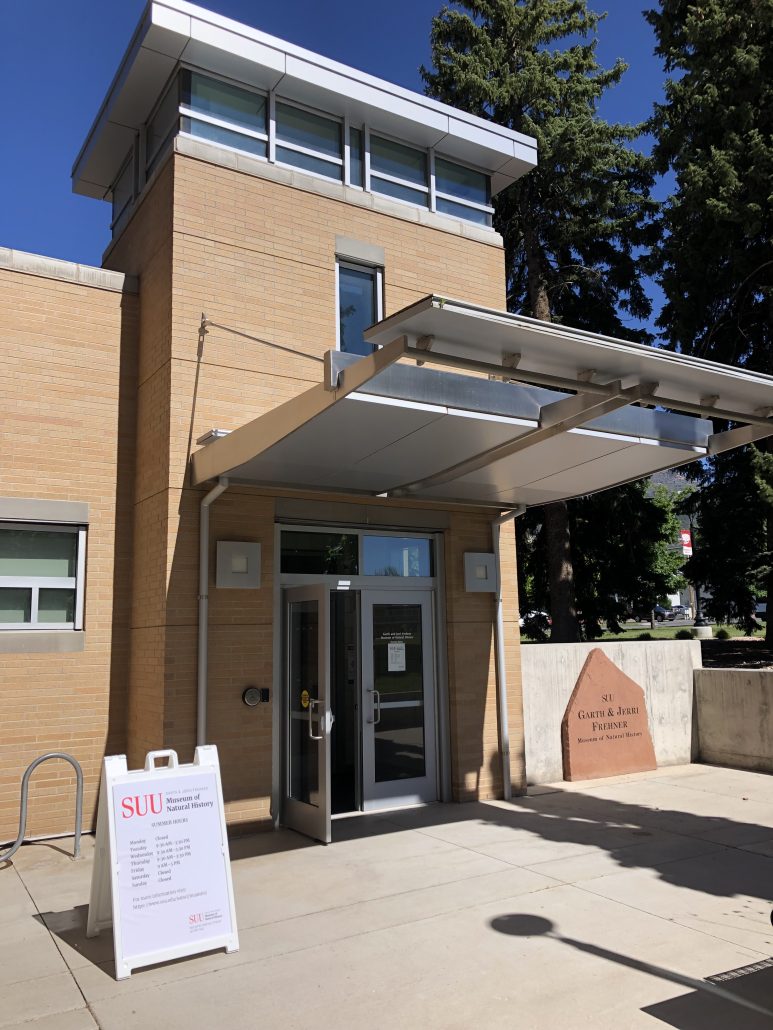
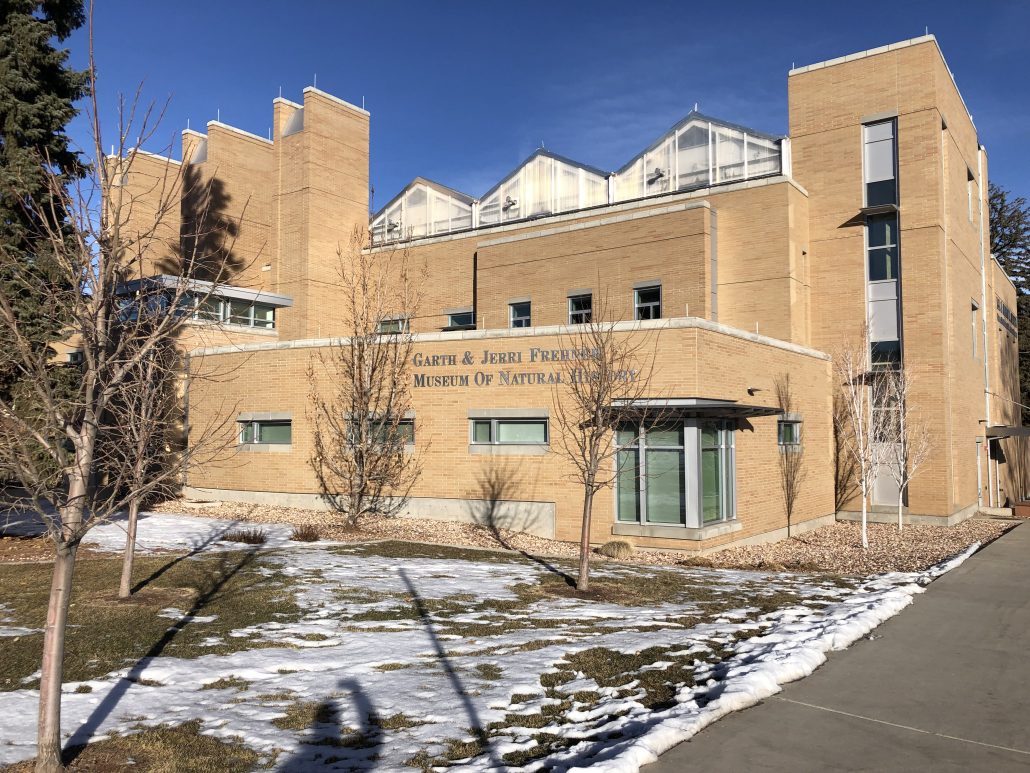
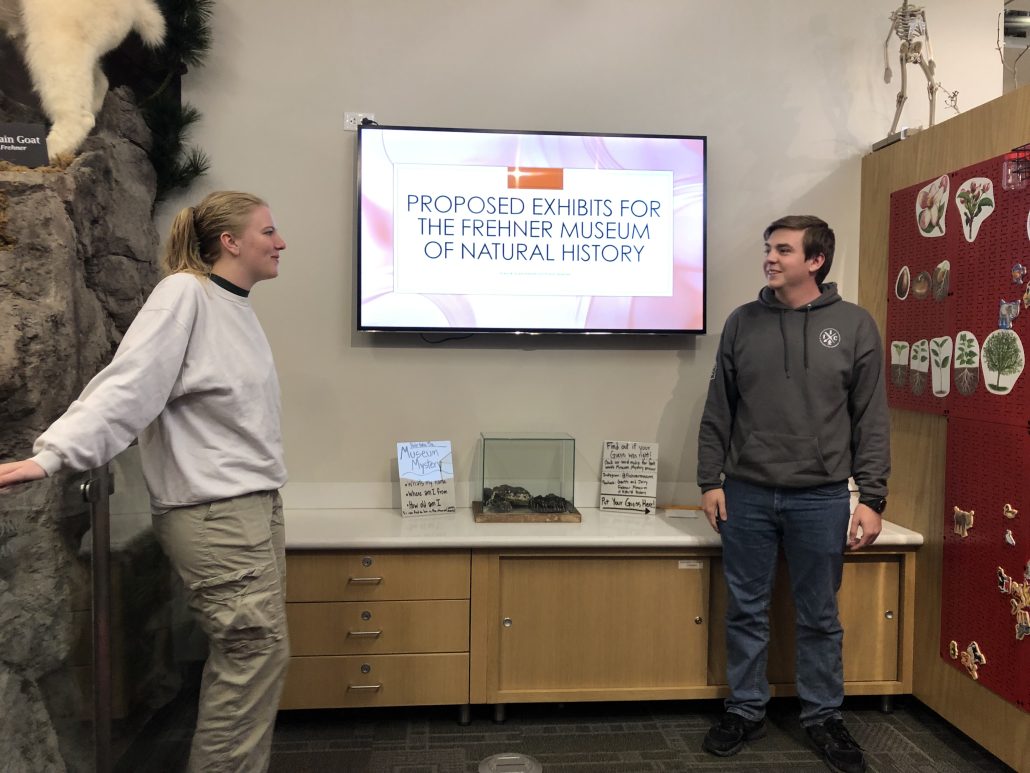
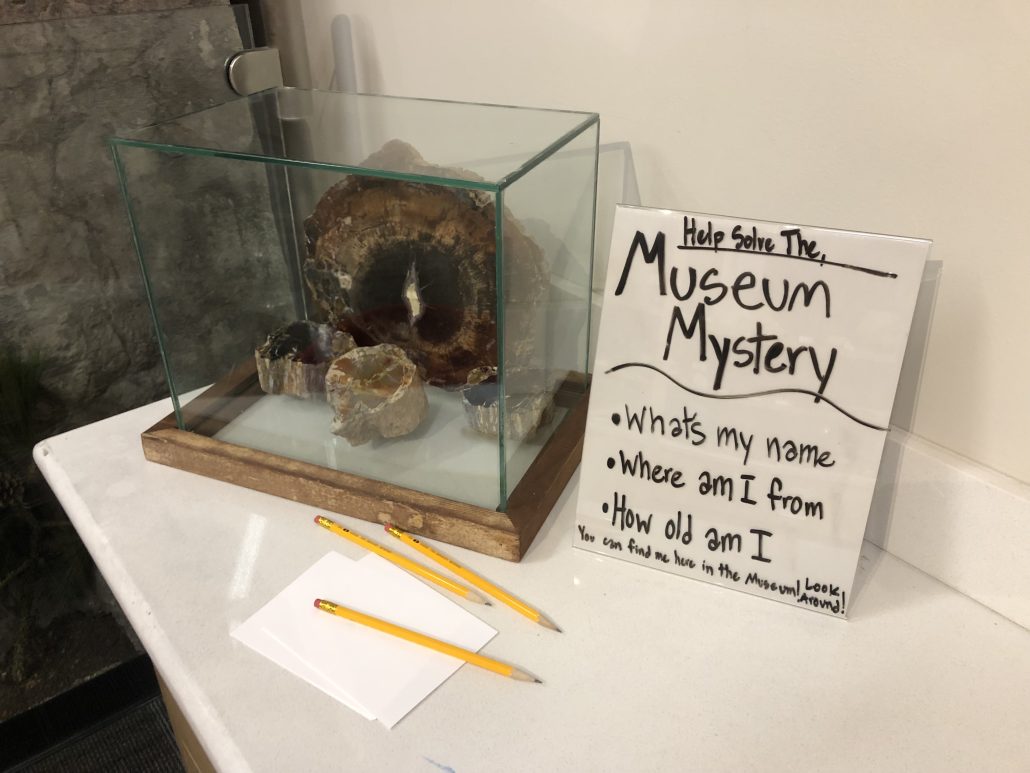
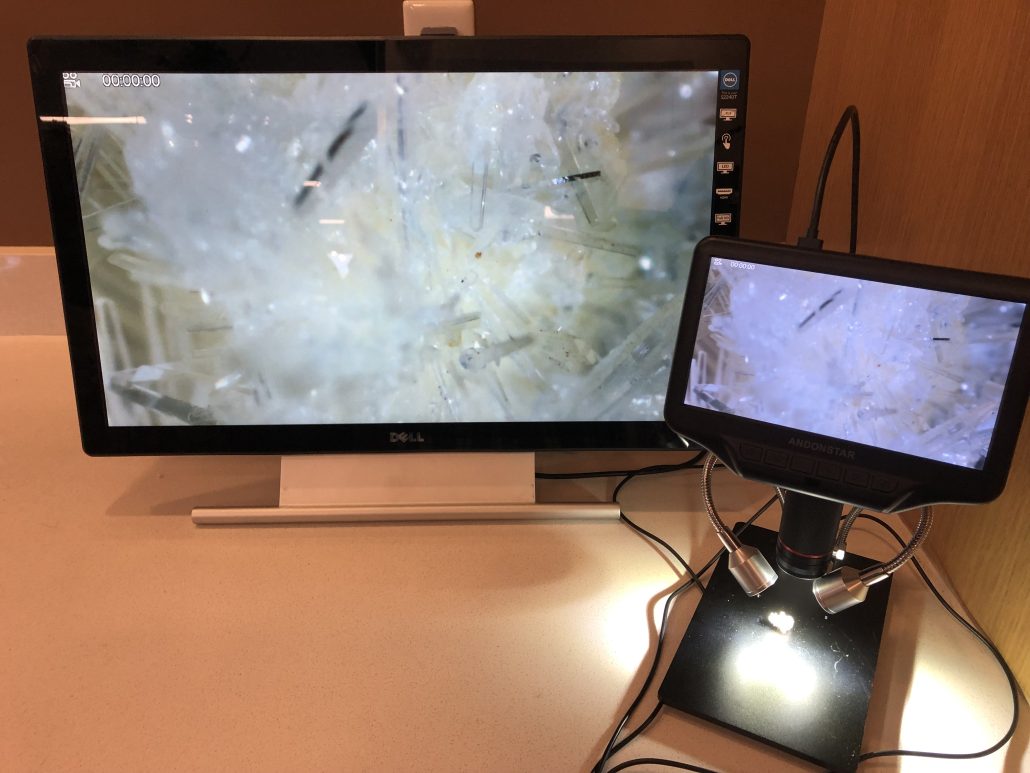
The Garth & Jerri Frehner Museum of Natural History at Southern Utah University represents a model for how a university natural history museum can be built from the ground up — unifying collections, engaging students, connecting with the community, and building the institutional momentum needed for a major capital campaign.
Serving as Interim Director, Mark Walhimer led a comprehensive start-to-finish planning and development process that transformed a distributed university collection into a cohesive, publicly accessible museum with a clear path to a permanent home and a $20 million campaign goal.
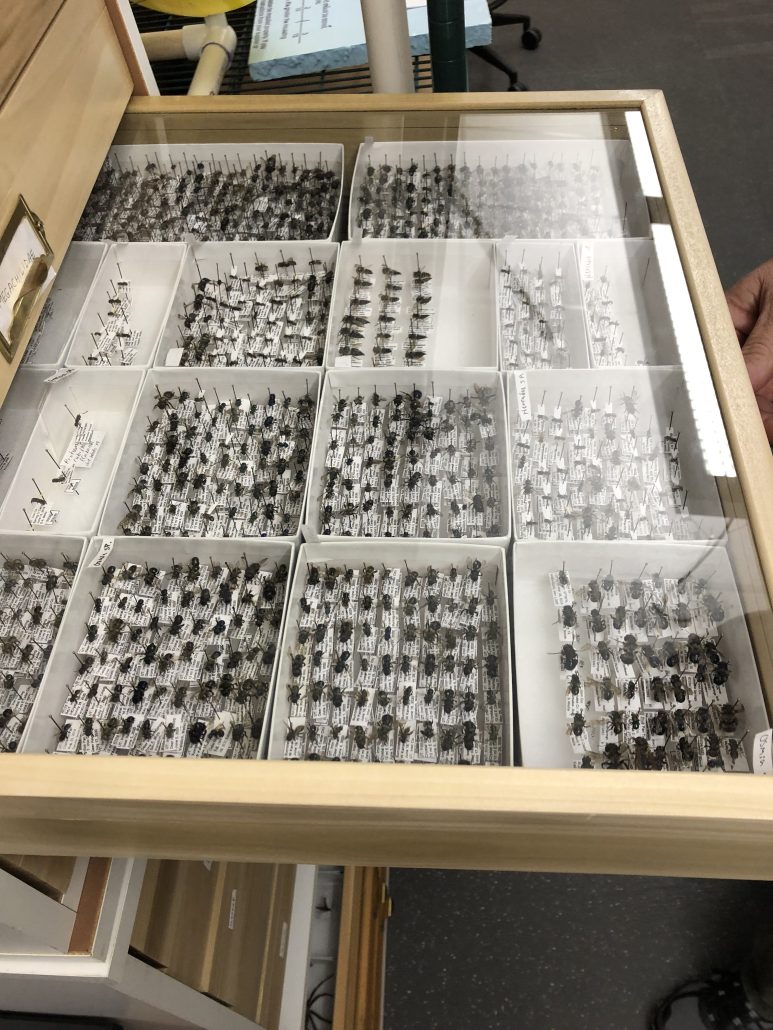
A comprehensive audit and cataloging of all natural history collections held across the university was conducted, including state repositories. Dispersed collections were unified under a single institutional framework, establishing the foundation for long-term collections management and public accessibility.
All potential buildings on campus were reviewed as candidates for the museum's home. Each was evaluated against programmatic, visitor experience, and logistical criteria, with a recommended building selection presented to university deans, accompanied by a detailed exhibit and space plan for the selected facility.
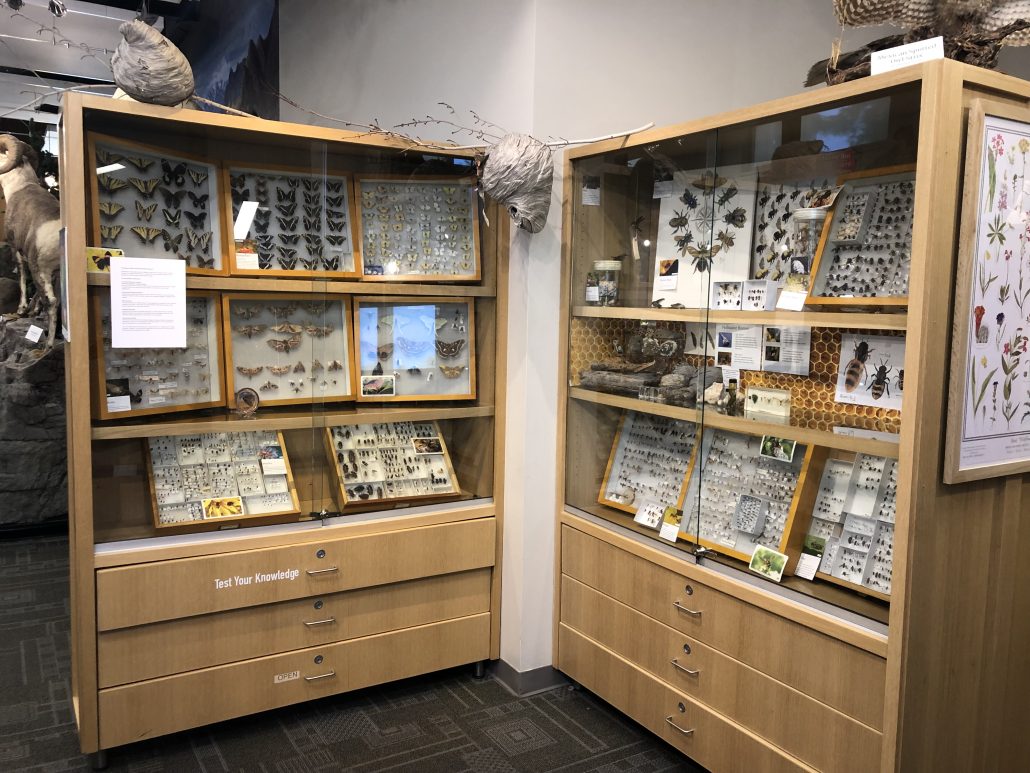
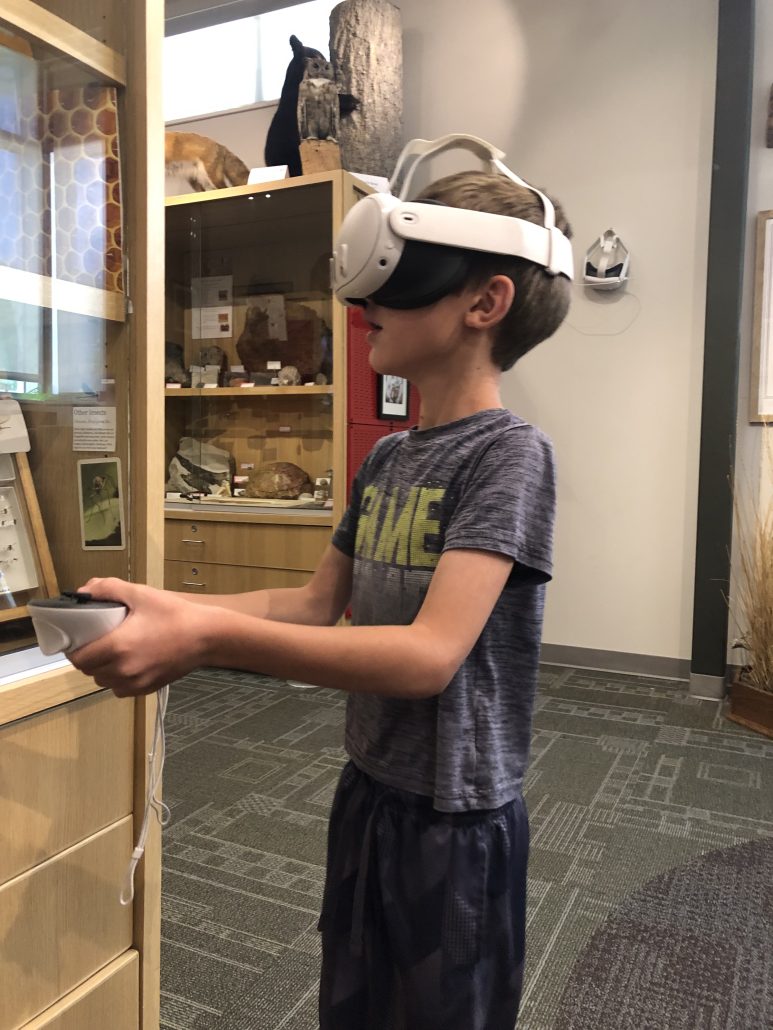
Open-storage exhibition cases, interactive geology and fossil displays, insect collection galleries, wildlife dioramas, and emerging technologies including virtual reality experiences were designed and implemented — establishing the museum as a model for accessible, engaging university natural history programming.
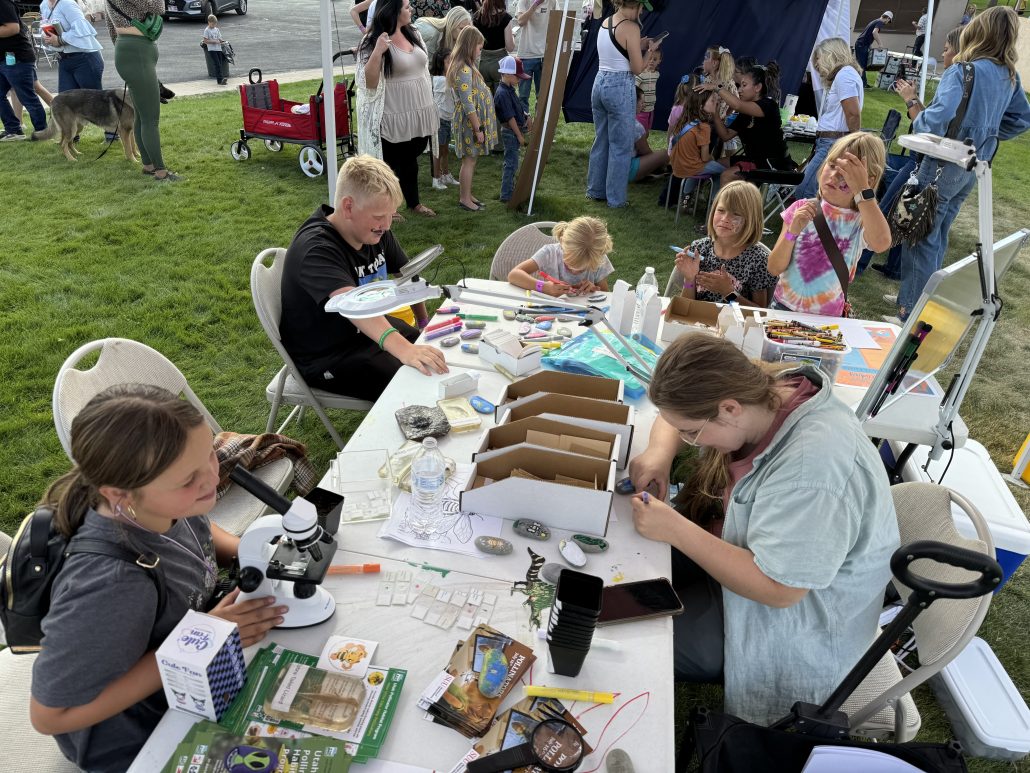
A defining aspect of the project was its commitment to community engagement. Outdoor campus programming drew students, families, and community members into direct engagement with the university's scientific expertise. VR experiences were integrated alongside traditional exhibits, and programming collaborations with the university's art museum created cross-disciplinary visitor experiences.
"The Frehner Museum demonstrates what is possible when a university commits to making its collections a living resource for students, scholars, and the public alike."
Forty museums. One methodology. Mark personally involved in every engagement.
mark@museumplanning.comPrivacy & analytics — how this site uses cookies and Google Analytics.